Introduction
Chemical safety rules are essential for maintaining a secure workplace environment. Industries that use hazardous substances must follow strict regulations and safety procedures to protect workers, equipment, and the environment. Failure to implement chemical safety standards can result in severe accidents, injuries, legal penalties, and environmental disasters.
Chemical safety management involves proper training, hazard communication, safe storage, emergency planning, and continuous monitoring. Whether in laboratories, factories, warehouses, hospitals, or cleaning industries, following chemical safety rules helps reduce risks and improve operational safety.
Essential Chemical Safety Rules
Always Read Chemical Labels
Before using any chemical, workers should:
- Check warning labels
- Understand hazard symbols
- Read handling instructions
- Review emergency precautions
Labels provide critical safety information that prevents misuse and accidental exposure.
Wear Proper Safety Equipment
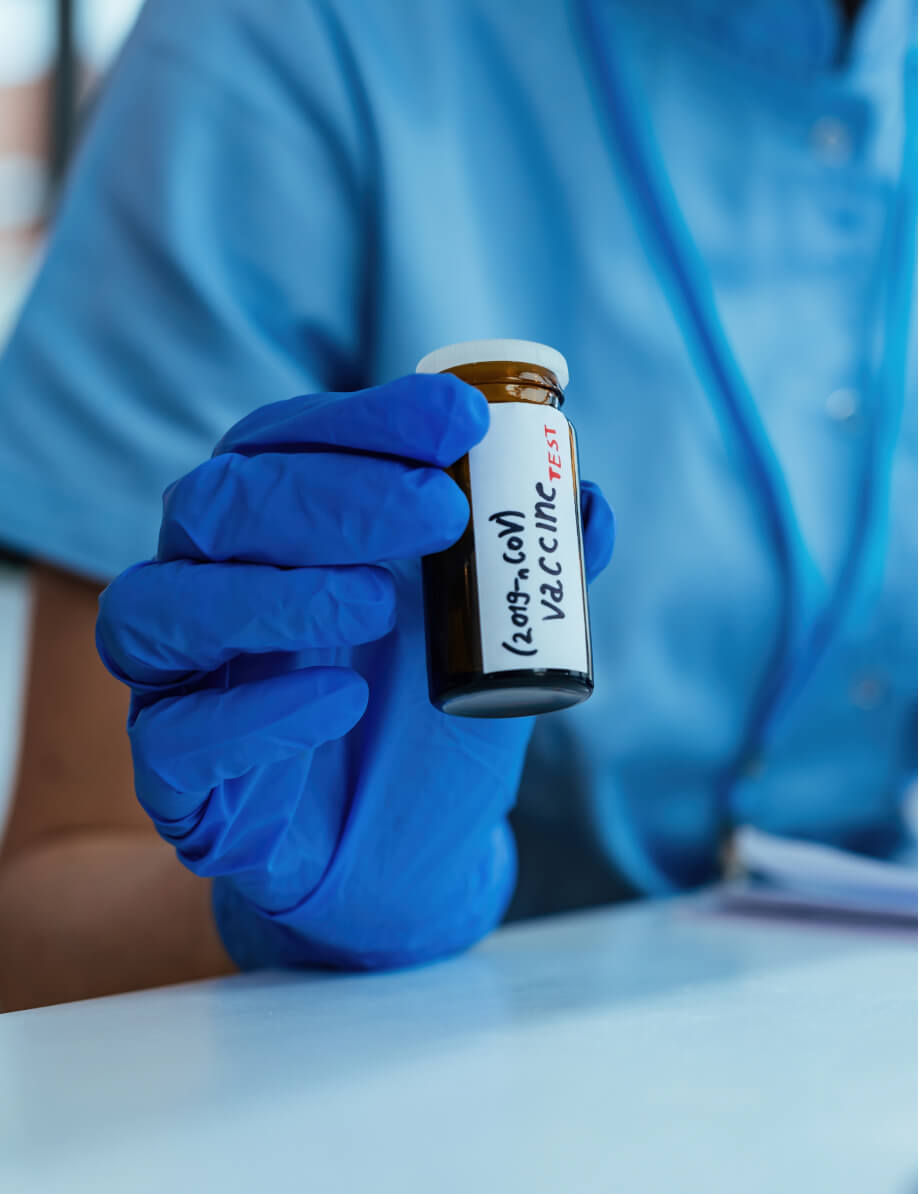
Personal protective equipment is the first line of defense against chemical hazards.
Important PPE includes:
- Gloves
- Safety glasses
- Respirators
- Protective suits
- Face masks
The type of PPE depends on the chemical and workplace environment.
Never Mix Unknown Chemicals
Mixing incompatible chemicals can produce:
- Toxic gases
- Fires
- Explosions
- Violent reactions
Employees should only mix chemicals according to manufacturer instructions and approved procedures.
Maintain Good Housekeeping
Clean workspaces reduce chemical hazards and improve safety.
Good housekeeping practices include:
- Cleaning spills immediately
- Proper waste disposal
- Organizing chemical containers
- Keeping exits clear
Use Chemicals in Ventilated Areas
Chemical fumes and vapors may cause:
- Breathing difficulties
- Dizziness
- Lung damage
- Long-term health effects
Proper ventilation systems help maintain safe air quality.
Chemical Storage Safety Rules
Separate Incompatible Chemicals
Acids, bases, oxidizers, and flammable substances should be stored separately to prevent dangerous reactions.
Use Approved Containers
Chemicals should always remain in approved, labeled containers designed for hazardous substances.
Inspect Storage Areas Regularly
Routine inspections help identify:
- Leaks
- Corrosion
- Damaged containers
- Expired chemicals
Employee Training and Awareness
Chemical safety training should include:
- Hazard communication
- Emergency response
- PPE usage
- Spill management
- Fire safety
Regular refresher courses ensure employees stay informed about workplace safety procedures.
Emergency Preparedness
Every workplace should maintain:
- Emergency exits
- Spill response kits
- Fire extinguishers
- Eye wash stations
- First aid supplies
Quick response reduces injuries and prevents larger incidents.
Common Chemical Safety Mistakes
Many workplace accidents occur due to:
- Ignoring warning labels
- Improper storage
- Lack of PPE
- Poor ventilation
- Inadequate training
Employers should continuously monitor safety compliance and encourage safe work practices.
Conclusion
Chemical safety rules are essential for preventing accidents and protecting workplace health. Organizations that prioritize chemical safety training, proper storage, PPE usage, and emergency preparedness create safer environments for employees and operations. Following established chemical safety procedures also ensures compliance with industry regulations and environmental standards.
FAQs
What are the basic chemical safety rules?
Basic rules include wearing PPE, reading labels, using ventilation, and storing chemicals safely.
Why is chemical safety training important?
Training helps employees identify hazards and respond correctly during emergencies.
What happens when incompatible chemicals are mixed?
Mixing incompatible chemicals can cause explosions, toxic gas release, or fires.
How should chemicals be stored?
Chemicals should be stored in labeled containers and separated according to hazard categories.
What should workplaces include in chemical emergency plans?
Emergency plans should include spill response, fire safety, first aid, and evacuation procedures.